

Hello, this is Izumitani from Ehime Film Commission.
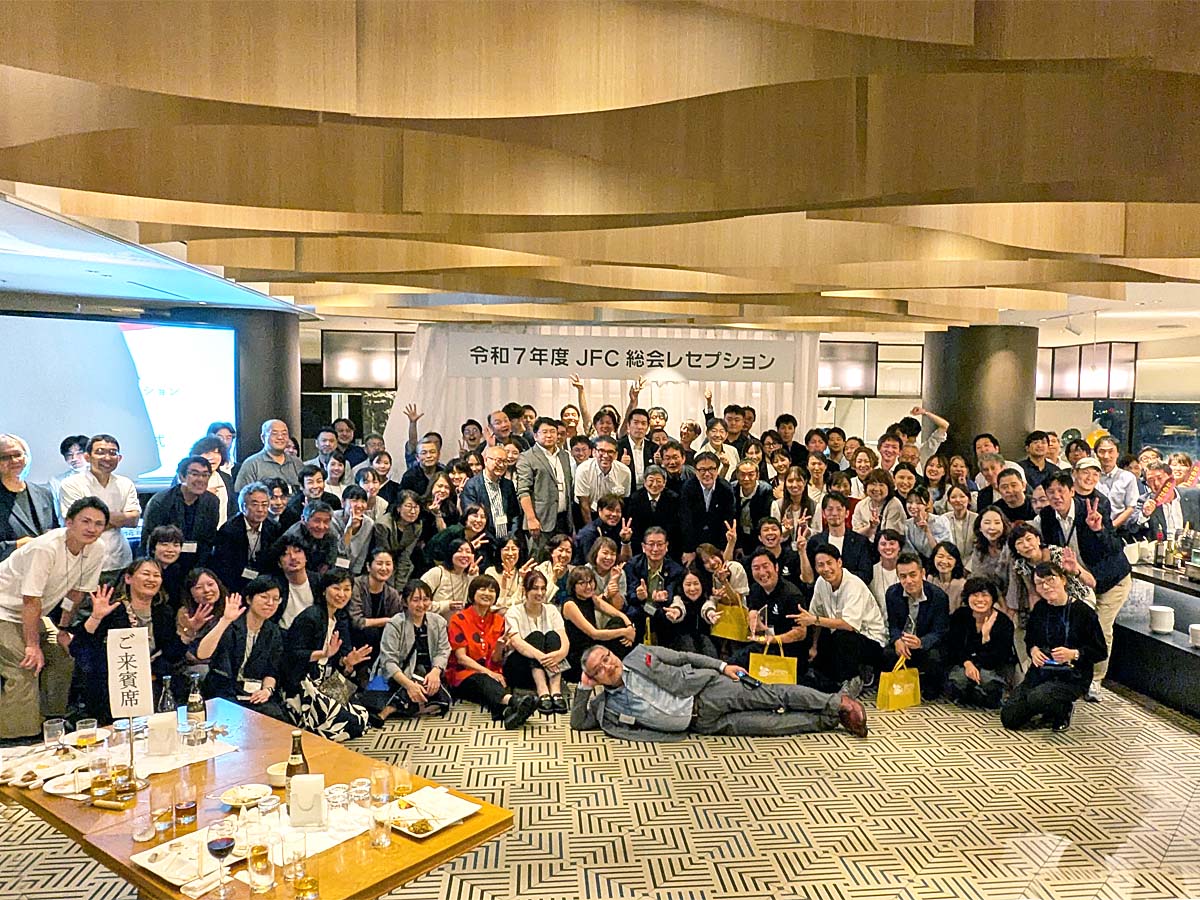
On June 26, at the NPO Japan Film Commission General Assembly held in Kobe, I officially passed the presidency to newly appointed president of the Board Yuichi Komuro — completing three terms and six years in the position I first took on in 2019. Today marks the beginning of the new leadership.
In Part One, I reflected on the aspirations I brought to the role. Here, I’d like to be candid about what still needs to be done.
The most defining challenge of my tenure was undoubtedly the COVID-19 pandemic, which brought all filming — in Japan and worldwide — to a halt from 2020 to 2023. Emergency declarations shuttered productions and theaters alike.
In response, we developed production safety guidelines — drawing on examples from the United States and elsewhere — covering sanitation teams, public health nursing staff on set, mask requirements, vaccination verification, catering modifications, individual bento boxes, ventilation protocols, vehicle capacity limits, and single-occupancy hotel room requirements. Having the FC network in place meant we could develop, test, and share these protocols rapidly. I have never been more grateful for that infrastructure than during those years.
We also intervened on behalf of an FC that found itself caught up in a production dispute, working alongside legal counsel and a major production company to pursue a resolution. The vast majority of producers are cooperative and professional — but difficult situations do arise, and a unified national network can act where individual organizations cannot.
During my six years, JFC membership grew, the visibility of film commissions expanded, and in 2020, the organization received a Special Award from the Japan Film Critics Awards. I’m proud of what we accomplished together — but I leave two significant challenges unresolved for the next leadership team.
The first is financial sustainability. JFC’s annual revenue depends primarily on membership fees (approximately ¥15 million per year) and commissioned projects. For an NPO, the ideal funding mix includes dues, donations, self-generated revenue, and grants — but over 80% of JFC’s income currently comes from commissioned work. That’s large but unpredictable. Increasing stable, smaller income streams is essential, and despite repeated attempts, we haven’t cracked it yet.
The second is scale management. JFC’s scope of work has grown more than tenfold since its founding, and the organization’s influence and credibility have grown with it. But the breadth of activities is now stretching beyond what a small staff can sustainably manage. The time has come to prioritize: to go deep on fewer things rather than spread wide across many. Commissioned project fees also cap what can be paid to staff, which compounds the resource constraint.
Looking back over twenty-four years — from the early days of the predecessor organization through everything that followed — it’s clear how far this field has come.
Film commissions are now an indispensable part of how productions happen in Japan. They will continue to grow in importance. I leave the next phase in capable hands, with hope that the unfinished work will be taken up and carried forward.